
Best European Countries for British Expats to Move To
Spain, Portugal and France remain the three most popular destinations for British expats leaving the UK. Each offers a different mix of visa routes, living costs and lifestyle, and since Brexit, none of them are a straightforward move.
This guide compares the practical realities of each country: what visa you’ll need, what it costs to live there, how healthcare works, and what a typical move involves. We’ve also included Italy, Cyprus and Malta for anyone weighing up a wider range of options.
Quick answer: Spain suits expats who want an established British community and year-round sun. Portugal suits those prioritising a lower cost of living and the Algarve lifestyle. France suits expats who want to stay close to the UK, with the shortest removal routes and strong rural property value. All three require a visa for stays beyond 90 days, since British citizens are no longer EU citizens.
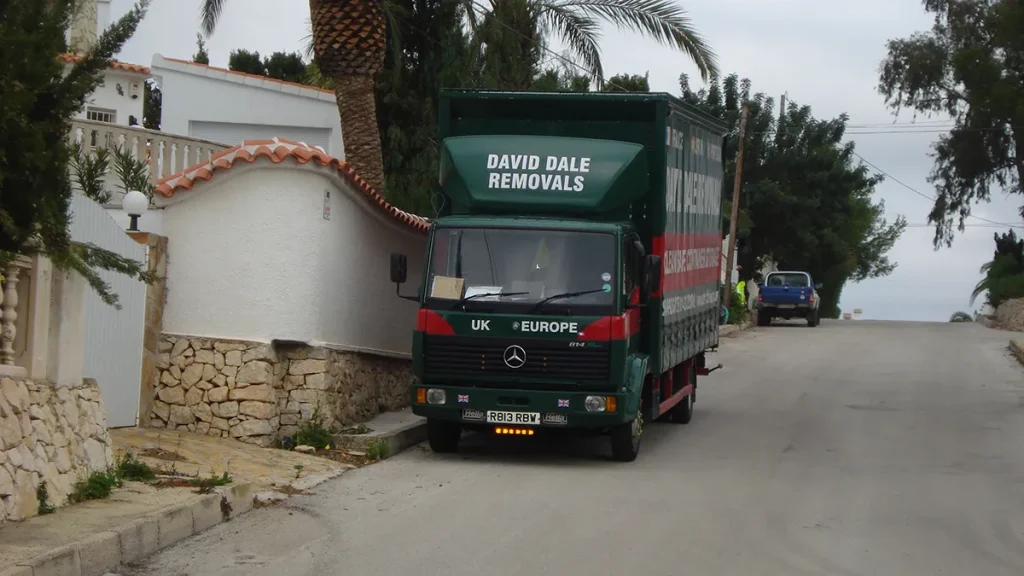
Where Do Most British Expats Live in Europe?
Spain has the largest British resident population in Europe, followed by France and then Ireland. Portugal, Cyprus, Italy and Malta all host smaller but well-established British communities, many concentrated around the coast.
Popularity is not the same as suitability. A country with a large British community can make the transition easier, but it should not be the only factor. Visa eligibility, cost of living, and how you’ll access healthcare matter more to your day-to-day life once you’ve moved.
What Brexit Changed for British Expats
Before 2021, British citizens could live and work anywhere in the EU without a visa. That right ended when the UK left the EU. Two changes affect every move covered in this guide:
- The 90/180-day rule. Without a visa, British citizens can only spend 90 days in every rolling 180-day period across the Schengen area. Anyone wanting to live abroad permanently needs a visa or residence permit, not just a long holiday stay.
- No automatic residency rights. Each country sets its own visa categories, income thresholds and application process. Spain, for example, does not recognise dual citizenship with the UK, and a residence permit does not appear automatically. You apply for it.
This guide reflects the rules in place at the time of writing. Immigration rules change, so always confirm current requirements with the relevant embassy, consulate or a qualified immigration adviser before booking a move. gov.uk is the best starting point for official guidance by country.
Best European Countries for British Expats: At a Glance
| Country | Popular with | Visa route for retirees/remote workers | Healthcare | Typical monthly cost (couple, excl. rent) |
|---|---|---|---|---|
| Spain | Retirees, families, sun-seekers | Non-lucrative visa, digital nomad visa | Public system after residency registration, or private cover during the visa stage | Lower than UK in most regions outside Madrid/Barcelona |
| Portugal | Retirees, remote workers, Algarve buyers | D7 visa (passive income), digital nomad visa | Public system (SNS) after registration, private cover common in the interim | Generally the lowest of the three main routes |
| France | Rural property buyers, those wanting UK proximity | Long-stay visitor visa (VLS-TS), talent passport for workers | Public system (carte vitale) after residency, private cover required initially | Similar to or slightly below UK outside Paris |
| Italy | Lifestyle buyers, retirees, Elective Residency applicants | Elective Residency visa (passive income, no work permitted) | Public system after registration | Lower in the south, closer to UK costs in the north |
| Cyprus | Retirees, English-speaking expats | Category F residence permit | Public (GESY) after contributions, private cover common | Lower than UK, though imported goods can be pricier |
| Malta | English-speaking retirees and remote workers | Malta Retirement Programme, Nomad Residence Permit | Public system after residency, private cover recommended | Higher than Spain or Portugal, comparable to parts of the UK |
Costs vary significantly by region and property type. These figures are a general guide, not a quote. Confirm current visa income thresholds directly with each country’s consulate.
Spain: The Established Favourite
Spain has the largest British expat population in Europe, concentrated along the Costa del Sol, Costa Blanca and the Balearic Islands, with growing numbers inland and around Alicante and Murcia.
What draws people to Spain: an established support network of British residents, a lower cost of living than most of the UK outside major cities, and a well-developed property market for buyers and renters alike.
Visa options. The non-lucrative visa suits retirees and those with passive income who don’t intend to work in Spain. The digital nomad visa suits remote workers employed by a non-Spanish company. Both require proof of income, private health cover during the application stage, and a clean criminal record check.
Healthcare. Once registered as a resident and contributing to Spanish social security (or holding a qualifying pension arrangement), you can access the public healthcare system. Before that point, private health insurance is a visa requirement, not an optional extra.
Practicalities for movers. Southern Spain (Andalucia, Costa del Sol, Murcia, Alicante) is around 1,700–1,900 km from North Yorkshire by road. A European removals company running a scheduled consolidated service to Spain will usually cost less than booking a dedicated vehicle, particularly for one- or two-bedroom volumes.
Portugal: The Value-Focused Choice
Portugal has grown steadily in popularity with British expats, particularly around the Algarve, Lisbon and Porto. It’s often the answer for anyone comparing costs directly against Spain.
What draws people to Portugal: generally lower day-to-day costs than Spain in many regions, a relaxed pace of life, and a well-established D7 visa route for people with passive income such as a pension or rental income.
Visa options. The D7 visa is aimed at retirees and those with recurring passive income. Portugal also runs a digital nomad visa for remote workers earning above a set income threshold. Both require a NIF (Portuguese tax number) early in the process, along with proof of accommodation.
Healthcare. Portugal’s public healthcare system (SNS) becomes accessible after you register as a resident. Most people arrange private health cover to bridge the gap during the visa application and the early months of residency.
Practicalities for movers. Portugal is the longest road route of the three, at roughly 1,800–2,100 km from North Yorkshire. Removal companies running a route via Spain, such as a weekly UK–Spain–Portugal lane, can often coordinate a Portugal delivery with an outbound Spain run, which helps reduce dedicated-vehicle costs for smaller loads. See our guide to removals to Portugal for what a typical move involves.
France: The Practical Neighbour
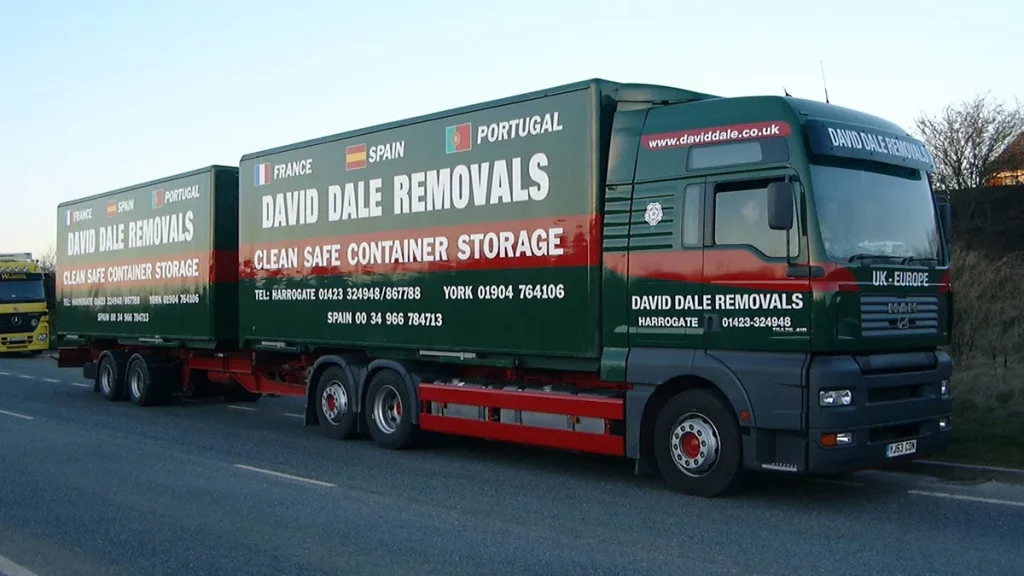
France suits British expats who want to stay close to home, whether for family visits, business, or simply a shorter journey back to the UK. It also has one of the most active rural property markets for UK buyers, particularly in Brittany, Normandy and the Dordogne.
What draws people to France: proximity to the UK (Calais to Paris is a fraction of the distance to southern Spain or Portugal), a well-regarded healthcare system, and strong value in rural property compared to equivalent UK homes.
Visa options. The long-stay visitor visa (VLS-TS) suits retirees and those not seeking employment in France. Working professionals may need a talent passport or a specific work-linked visa. Applications go through the French consulate in the UK before departure.
Healthcare. France’s carte vitale gives access to the public health system once you’re a registered resident, generally after three months. Private health insurance is required to cover the gap before registration completes.
Practicalities for movers. Northern and central France (Paris, Brittany, Normandy, the Loire Valley) are within a day’s drive of the Channel crossing, keeping removal costs down. Southern France (Provence, Languedoc, the Dordogne) adds a full extra transit day. Read more in our guide to removals to France.
Other Countries Worth Considering
Italy suits expats drawn to the lifestyle and culture rather than the cheapest cost of living. The Elective Residency visa requires proof of passive income and does not permit employment in Italy, making it best suited to retirees.
Cyprus offers an English-speaking legal and administrative environment (a legacy of British colonial history), warm weather, and a lower cost of living than the UK, though imported goods can cost more than on the mainland.
Malta is popular with English-speaking retirees and remote workers thanks to its Retirement Programme and Nomad Residence Permit, though day-to-day costs are closer to the UK than Spain or Portugal.
What a Move to Europe Actually Involves
Moving house within the UK is straightforward by comparison. A move to Europe adds customs declarations, longer transit times, and paperwork that has to be right before your belongings can cross the border.
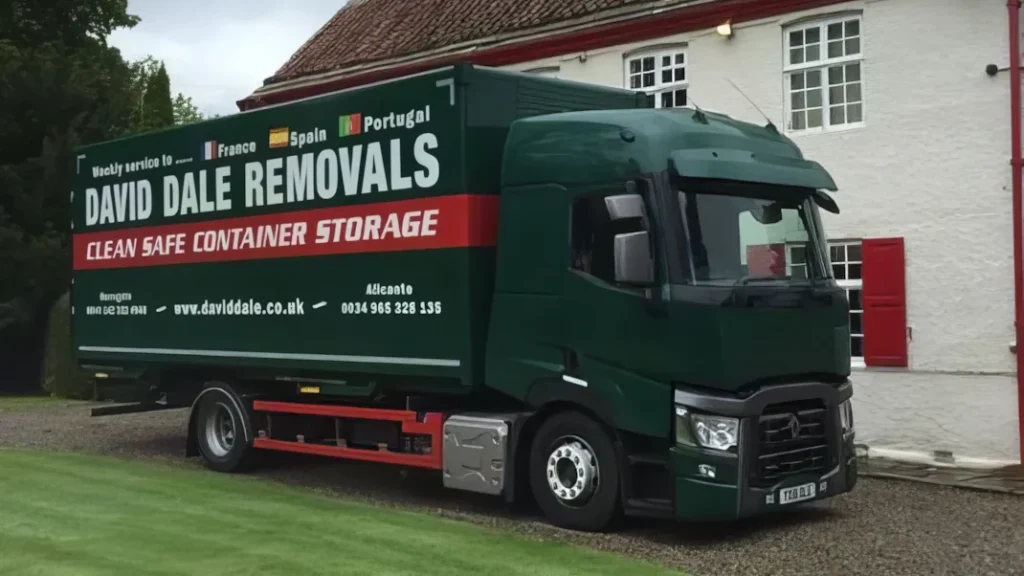
- Book your survey early. A video or in-person survey confirms volume and flags anything needing special handling, such as antiques, artwork or vehicles.
- Sort your Transfer of Residence documentation. Spain, France and Portugal all operate a Transfer of Residence relief scheme that lets you import household goods without paying import duty, provided you’ve owned them for at least six months and lived in the UK for at least 12 months prior.
- Decide on packing. Export-grade packing (double-walled boxes, crating for glass and stone) matters more on a two- or three-day transit than it does for a local move.
- Plan for storage if dates don’t align. Completion dates rarely match on both sides of a move. UK and destination-country storage can bridge the gap.
- Confirm what can’t travel on the lorry. Aerosols, gas canisters, perishable food and live plants are restricted on international removals lorries. Carry cash and valuable documents yourself.
A European removals company that runs scheduled services to your destination, rather than booking a one-off dedicated vehicle for every job, will usually have a clearer answer on cost, timing and what’s included.
Choosing Between Spain, Portugal and France
If you’re still deciding, the honest answer is that all three are workable moves with the right preparation. Spain suits those who want an established expat community and reliable sun. Portugal often works out better value for retirees on a fixed income. France suits anyone who wants to stay within easy reach of the UK, whether for family, business, or simple peace of mind.
Whichever country you choose, get your visa route confirmed before you book removals. A fixed departure date only works if your residency paperwork is moving in step with it.
FAQs
Ireland is generally considered the most straightforward move for British citizens, thanks to the Common Travel Area agreement, which predates the EU and was not affected by Brexit. For EU destinations, Spain and Portugal both have well-established visa routes and large British communities, which can make the process feel more familiar even though a visa is still required.
Yes. Since Brexit, British citizens are treated as non-EU nationals. Anyone wanting to stay longer than 90 days in any 180-day period needs a visa or residence permit specific to that country. Confirm the current requirements with the relevant consulate before making any firm plans.
Cost depends on volume, distance, access at both ends, and whether you need a full packing service. A one- or two-bedroom move on a scheduled consolidated service typically costs less than a full house load requiring a dedicated vehicle. Request a survey for a fixed, written quote rather than relying on a generic estimate.
Yes, but you’ll need an ISO microchip, a valid rabies vaccination, and an official health certificate from a vet, usually issued no more than 10 days before travel. Requirements vary by destination country, so check current rules with APHA (the Animal and Plant Health Agency) and the destination country’s veterinary authority well before your move.
Not usually, provided you qualify for Transfer of Residence relief. This generally requires 12 months of prior UK residence and six months of ownership and use of the goods being imported. New or unused items bought specifically for the move do not qualify and must be declared separately.
Ready to Start Planning Your Move?
Whichever country you choose, the earlier you book your survey, the more flexibility you’ll have on dates and pricing. David Dale has run UK-Europe removals since 1976, with a weekly service to Spain and Portugal, our own depot in Almoradi, and BAR membership (D040) that covers you throughout. Get a fixed, written quote based on your actual volume, or speak to a coordinator directly.
You may also be interested in: European removals · Removals to Spain · Removals to Portugal · Removals to France · European removals cost comparison · Online quote